
Guide
Power NI Solar: What Power NI Offers, and What It Does Not
Power NI sells solar installs through Refresh NI, pays 11.88p per kWh for export from 1 October 2026 and runs the 20% NISEP business grant. Figures checked on the Power NI site on 6 September 2026, export rate rechecked on 1 October 2026.
I built this site and I read every quote request that comes through it. Power NI comes up in more of them than any installer’s name does, and usually as a question: is my electricity supplier the place to buy solar panels?
It is a fair assumption. Power NI sends the bill you are trying to reduce, and it does sell solar. It also pays for your export and runs a business grant scheme, which is three separate things people tend to blur into one.
This page sets out all of it. Every figure below was checked on powerni.co.uk on 6 September 2026 and the source page is named. Where Power NI does not publish something, I say so rather than filling the gap.
What Power NI offers, in one table
| What | Detail | Checked |
|---|---|---|
| Domestic solar install | Sold by Power NI, installed by Refresh NI | 6 Sep 2026 |
| Published install price | None. Price comes in a written proposal | 6 Sep 2026 |
| Panel warranty | LONGi, 25 year product, 30 year linear performance | 6 Sep 2026 |
| Export tariff | 11.88p per kWh, 1 Oct 2026 to 30 Sep 2027 | 1 Oct 2026 |
| Domestic grant | None for general homeowners | 6 Sep 2026 |
| Business grant | NISEP, 20%, £30,000 cap on solar | 6 Sep 2026 |
| Green tariff | Eco Energy, 100% green, no price premium | 6 Sep 2026 |
Power NI’s domestic solar product
Power NI launched its solar product on 14 March 2025 in partnership with Refresh NI, which it describes as a Belfast-based energy services business and an MCS accredited solar PV provider. The two had already been working together on EV home chargers before solar was added.
There are four options: panels only, panels with battery storage, battery only for a house that already has panels, and export only. A hybrid inverter comes with every product, so if you skip the battery now it can be added later without changing the inverter. Power NI notes that adding a battery is an additional cost on top of the standard offer.
You register interest on the Power NI site and Refresh NI contacts you. A free solar assessment is carried out on the property. You then get a written proposal, which Power NI calls a Custom Solar Plan, covering system design, costs, savings and how it fits your current tariff. Power NI says installation takes its partners approximately two days, and that the same partner handles aftercare and maintenance. It suggests an annual service.
On equipment, Power NI is specific. The panels are LONGi, with a 25 year limited product warranty and a 30 year linear performance warranty. Power NI states the warranty starts at delivery or six months after the modules ship, whichever is earlier. That is more detail than most NI installers put on a public page.
On finance, Power NI’s funding guide says repayment plans are built around a monthly budget and that some options include low deposits. Selected installations may qualify for 0% or low-interest finance, depending on the system and eligibility. It does not publish APRs, terms or the lender. It also confirms the 0% VAT saving is applied automatically, and flags that 0% VAT on domestic solar ends on 31 March 2027.
What Power NI does not publish: the price
Power NI does not publish a price for a Power NI solar installation. There is no price list, no per-kW figure and no worked example for its own product. You get a number after the free assessment, in the proposal.
What Power NI does publish is a guide to what solar costs in Northern Ireland generally. Its solar guide, dated 22 July 2025, says installing solar panels here usually costs between £4,000 and £9,000 depending on system size. A 10-panel system for an average three-bedroom home costs around £7,800, based on £780 per 350-watt panel. It also puts optional pigeon-proofing at £600 to £1,000.
Read that carefully, because it is Power NI’s view of the NI market, not its own price. Ten 350-watt panels is a 3.5kW system, so £7,800 works out at about £2,229 per kW installed. The quotes I see on this site for a fully installed 4kW system run £6,000 to £8,000, which is £1,500 to £2,000 per kW. Those two numbers are not measuring the same thing: one is a published guide figure, the other is what installers actually quote. The only way to know what Power NI would charge you is to take the assessment.
Power NI’s export tariff: 11.88p per kWh
This is the number most people are looking for, and it is higher than the range usually quoted for Northern Ireland.
| Item | Power NI’s published position |
|---|---|
| Export rate | 11.88p per kWh (9.64p the year before) |
| Tariff year | 1 October 2026 to 30 September 2027 |
| Approval | Set annually, approved by the Utility Regulator (NIAUR) |
| Eligible systems | Export generators up to 50kW |
| Must you buy your electricity from Power NI? | No |
| Meter needed | Your existing NIE Networks meter |
| Reading requested | Each September, by email |
| Payment | Late October, direct to your bank account |
Two things matter about the timing. The tariff year ends on 30 September and Power NI publishes new rates towards the end of September, so the 11.88p figure runs until 30 September 2027. And export is claimed on an annual reading, not automatically. Power NI emails a request for an export reading each September. Miss it and your payment is delayed.
The meter point is worth stressing because it is widely misreported. You do not need a smart meter and you do not need a new export meter. Power NI’s help pages say your NIE Networks meter already records both import and export, and they list the button sequence for every common NIE meter type to bring the export reading up.
Power NI also publishes its own estimate of what export is worth, using average Power NI customer data from 2024/25 at the previous year’s 9.64p rate. At 11.88p each payment would be about a quarter higher.
| System size | Estimated annual export | Estimated annual payment |
|---|---|---|
| 2kW | ~936 kWh | ~£90 |
| 3kW | ~1,378 kWh | ~£130 |
| 4kW | ~1,718 kWh | ~£165 |
| 5kW | ~2,289 kWh | ~£220 |
What that is worth against what you save by using it
Export is the smaller half of the arithmetic. Power NI’s best Eco Energy unit rate from 1 July 2026 is 32.10p per kWh including VAT. At 11.88p export, a unit you use in the house is worth 2.7 times a unit you sell. Self-consumption is where the money is, and a battery moves units from the 11.88p column to the 32.10p column.
For a sense of scale, I run a solar tracker across seven NI towns. It modelled a 4kW system in Belfast at 2,263 kWh between 24 January and 5 September 2026, across 225 days of recorded weather. The best single day was 21 June, at 24.8 kWh on a 4kW system. Those are generation numbers, not export numbers, but they tell you the size of the pot you are splitting between the two rates.
Compare quotes from MCS-certified installers across NI, free, no obligation: get three quotes.
For how Power NI’s export rate sits against other NI suppliers, and why the Smart Export Guarantee does not apply here, see solar export payments in NI.
NISEP: the 20% business grant Power NI runs
Power NI administers NISEP funding for non-domestic properties. For solar, the offer is a grant of up to 20% of the total cost of the technology including product and installation, capped at £30,000 for solar panels. The business pages say the scheme is open and invite registrations of interest for the 2026/27 round.
The conditions, all from Power NI’s own FAQs:
- You need a commercial (non-domestic) electricity meter. A farm without one does not qualify.
- You do not need to be a Power NI customer. Any registered non-domestic customer in NI, with any supplier, can apply.
- You must have a grant offer letter before placing any order or starting work.
- One application per site address.
- The grant counts as de minimis aid, so check it with your accountant.
- It is not suitable for new builds, and it is NI only.
- You can apply for more than one technology, and you can apply again for a different technology or the same technology in a different area.
Full detail on stacking this with capital allowances is in the commercial solar grants guide.
On the domestic side, Power NI’s help centre is blunt: there are currently no grants available in Northern Ireland for domestic solar PV. Its July 2026 funding guide names two narrow NISEP-funded exceptions. The Toasty Homes Scheme covers low-income households, and Power NI reports 2026/27 funding fully allocated with the waiting list full. The Priority PV Scheme covers NIHE tenants in single-storey properties outside natural gas areas, and NIHE selects the properties. Neither is something a general homeowner can apply for.
Eco Energy: the tariff side
Eco Energy is Power NI’s 100% green tariff. It costs the same as the standard home tariff. Power NI sources the equivalent of your consumption from NI wind, solar PV and hydro generators under power purchase agreements, backed by REGO certificates issued by Ofgem. There are no contracts, tie-ins or exit fees.
From 1 July 2026 the rates run from 30.57p per kWh excluding VAT and 32.10p including VAT on monthly Direct Debit with online billing, up to 32.52p and 34.15p on the standard rate. Those are the same rates as the standard tariff, so choosing green costs nothing and saves nothing, and it is separate from your export arrangement. For where those rates came from, see electricity prices in NI after the 2026 rises.
Buying from your supplier, or comparing three quotes
Both routes end with panels on your roof. They differ in what you can see before you sign.
| Power NI route | Three MCS quotes | |
|---|---|---|
| Installers involved | One (Refresh NI) | Three, competing |
| Price visible before you engage | No | No, but you get three to compare |
| Panel choice | LONGi, with published warranty terms | Varies by installer, ask for the terms |
| Aftercare | One partner, single point of contact | The installer who fitted it |
| Export tariff | Power NI, 11.88p | Any NI supplier, including Power NI |
The case for Power NI is one relationship, a named partner, published warranty terms and a supplier that is not going anywhere. The case for comparing is that prices for the same system routinely differ by more than £1,000 across NI installers, and a single proposal gives you nothing to test that against. Nothing stops you doing both: take the Power NI assessment, then put it beside two independent quotes. Your export tariff is a separate decision either way, and you can hold it with Power NI no matter who installs.
Of the 368 quote requests this site has taken since March, 235 were detached houses and 246 said their monthly electricity bill was between £100 and £250. For that household, a £1,000 spread on the same system is real money.
The installer directory lists 13 NI companies with what each is known for. How to choose a solar installer covers the questions worth asking, and solar panel costs in Northern Ireland has pricing by system size.
What I could not verify
Three things are not on Power NI’s site, so they are not on this page. It does not publish a price, a per-kW rate or an example quote for its own installation. It does not publish the lender, APR or term behind its finance options, only that 0% and low-interest deals exist on selected installations. And it does not publish a workmanship or installation warranty length for the Refresh NI work, only the LONGi panel warranties. If you take the assessment, those are the three things to get in writing.

Written by Connor McAuley
Founder and editor of Compare Solar NI. Connor writes the site's Northern Ireland solar guides and runs its weather-based generation tracker. He does not install panels or sell hardware.
Meet the person behind the site · How we make moneyQuestions readers ask
Does Power NI install solar panels?
Yes. Power NI launched a domestic solar product on 14 March 2025 and it is delivered by Refresh NI, a Belfast energy services business that Power NI describes as an MCS accredited solar PV provider. You register interest on the Power NI site, Refresh NI carries out a free solar assessment, and you receive a written proposal that Power NI calls a Custom Solar Plan. Power NI offers four options: panels only, panels with battery storage, battery only for an existing system, and export only. A hybrid inverter comes with all products, so a battery can be added later. Checked on powerni.co.uk on 6 September 2026.
How much does Power NI charge for solar panels?
Power NI does not publish a price for its own solar installations. Its site says costs come in a written proposal after a free assessment. Its general energy guide says solar in Northern Ireland usually costs between £4,000 and £9,000, and that a 10-panel system for a three-bedroom home runs to around £7,800 at £780 per 350-watt panel. That is Power NI's guide to NI market pricing rather than its own quote. Checked on powerni.co.uk on 6 September 2026.
How much does Power NI pay for exported solar electricity?
Power NI's published export tariff is 11.88p per kWh for the tariff year 1 October 2026 to 30 September 2027, approved by the Utility Regulator, up from 9.64p the year before. It applies to export generators up to 50kW. Power NI publishes new rates towards the end of each September. Checked on powerni.co.uk on 1 October 2026.
Do I need to be a Power NI electricity customer to get export payments?
No. Power NI states you do not need to be a Power NI electricity customer to join its export programme. You can buy your electricity from one NI supplier and sell your export to another.
Do I need a smart meter or a separate export meter for Power NI export payments?
No. Power NI says your existing NIE Networks meter records both imported and exported electricity, and its help pages show how to bring up the export reading on each common NIE meter type. Power NI asks for an export reading each September and pays most customers in late October, straight into your bank account and separately from your electricity bill.
Is there a grant for solar panels in NI?
Power NI's own help centre answer is that there are currently no grants available in Northern Ireland for domestic solar PV. Its July 2026 funding guide names two narrow NISEP-funded exceptions: the Toasty Homes Scheme for low-income households, where Power NI reports all 2026/27 funding is allocated and the waiting list is full, and the Priority PV Scheme for NI Housing Executive tenants in single-storey properties outside natural gas areas, which NIHE selects for. Neither is open to a general homeowner.
Can a business get a solar grant through Power NI?
Yes. Power NI administers NISEP funding for non-domestic properties and offers a grant of up to 20% of the total cost of the technology including installation, capped at £30,000 for solar panels. You need a non-domestic electricity meter, you can be with any supplier, the grant counts as de minimis aid, it does not apply to new builds, and you must have a grant offer letter before placing any order.
Is Power NI's Eco Energy tariff cheaper if I have solar panels?
No. Eco Energy is Power NI's 100% green tariff and it costs the same as its standard home tariff. From 1 July 2026 the best Eco Energy rate is 30.57p per kWh excluding VAT and 32.10p including VAT on monthly Direct Debit with online billing. It changes nothing about your solar generation or your export rate, and it is separate from the export arrangement.
Your next step
See what your options cost.
Request quotes from participating Northern Ireland installers. Compare the equipment, installation and aftercare. You decide whether to proceed.
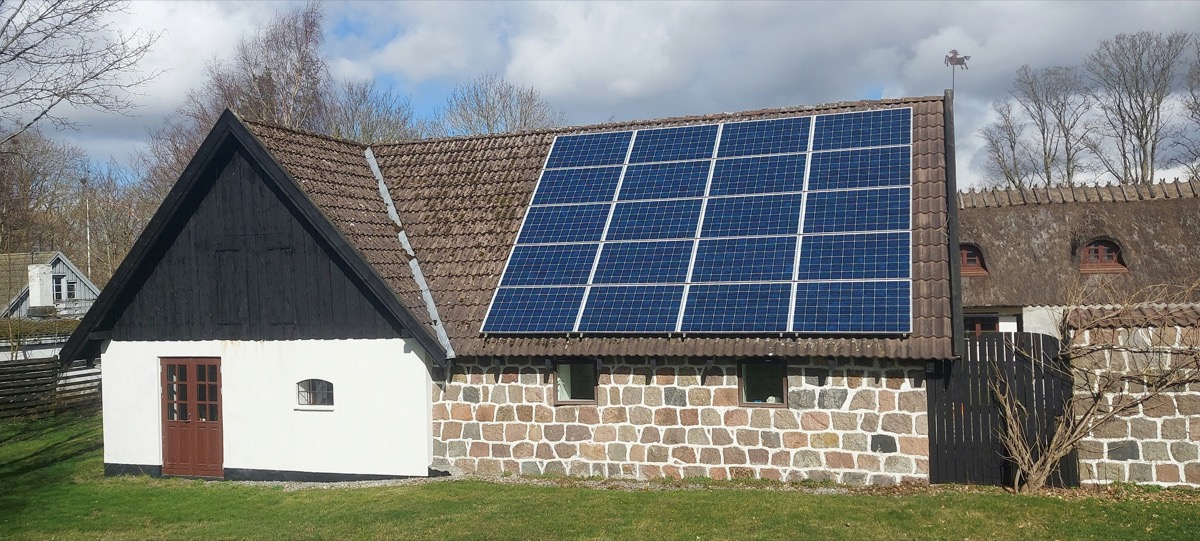
Solar Export Payments NI 2026: Rates, Suppliers & How to Earn
Power NI pays 11.88p per kWh for solar electricity you export in Northern Ireland (tariff year 1 October 2026 to 30 September 2027; the rate resets each October). Why the Smart Export Guarantee does not cover NI, which suppliers pay anyway, and how to sign up.
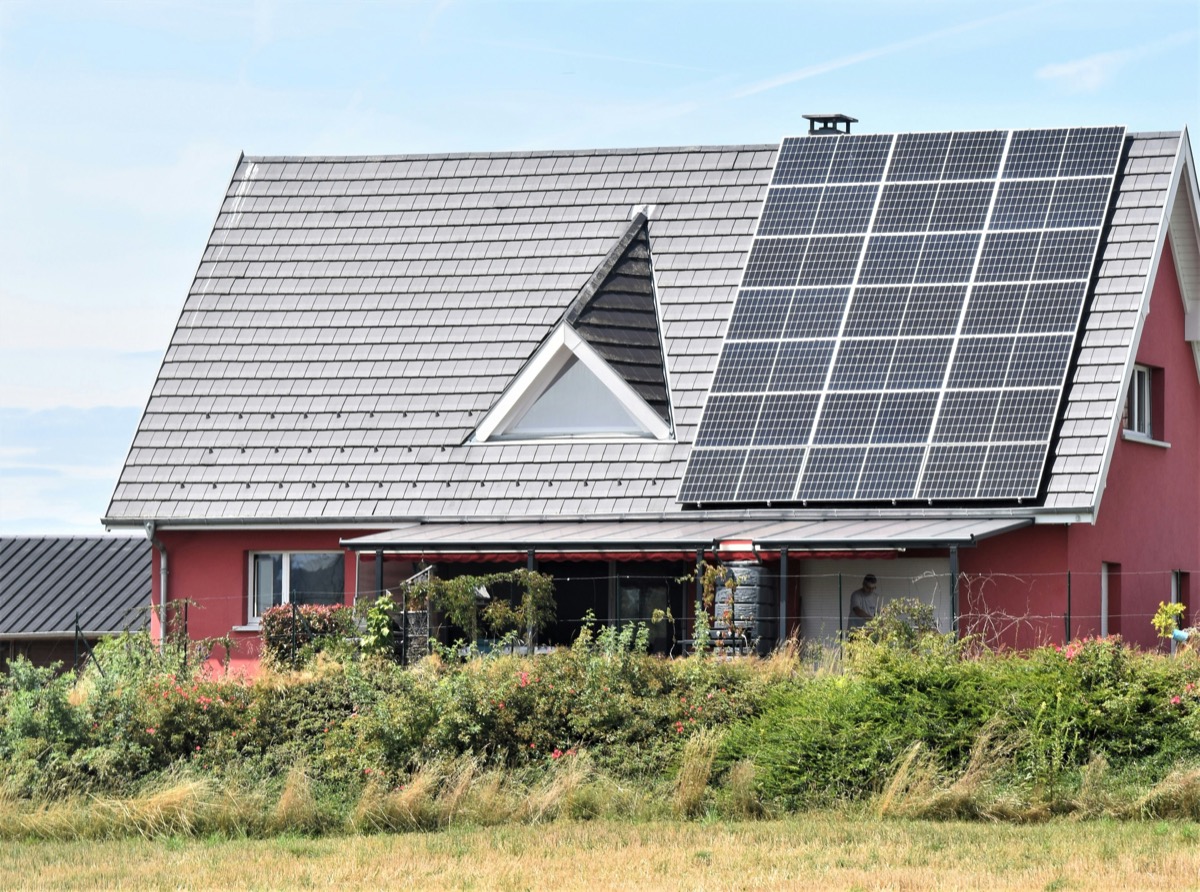
Solar Panel Costs in Northern Ireland: 2026 Prices by System Size
Solar panel prices in Northern Ireland from £5,000 to £12,000. See costs by system size (3kW to 6kW), what is included, battery add-on prices, and how to reduce your bill.
Electricity Prices Northern Ireland: 31.5p to 42p per kWh, Every Supplier Checked 22 September 2026
NI domestic electricity costs 31.51p to 42.01p per kWh including VAT on the Consumer Council table of 22 September 2026, and Power NI charges 32.10p to 34.15p with no standing charge. Every supplier's rate and standing charge, Share Energy's 35.99p from 1 October, and the £63 discount from 6 October.